
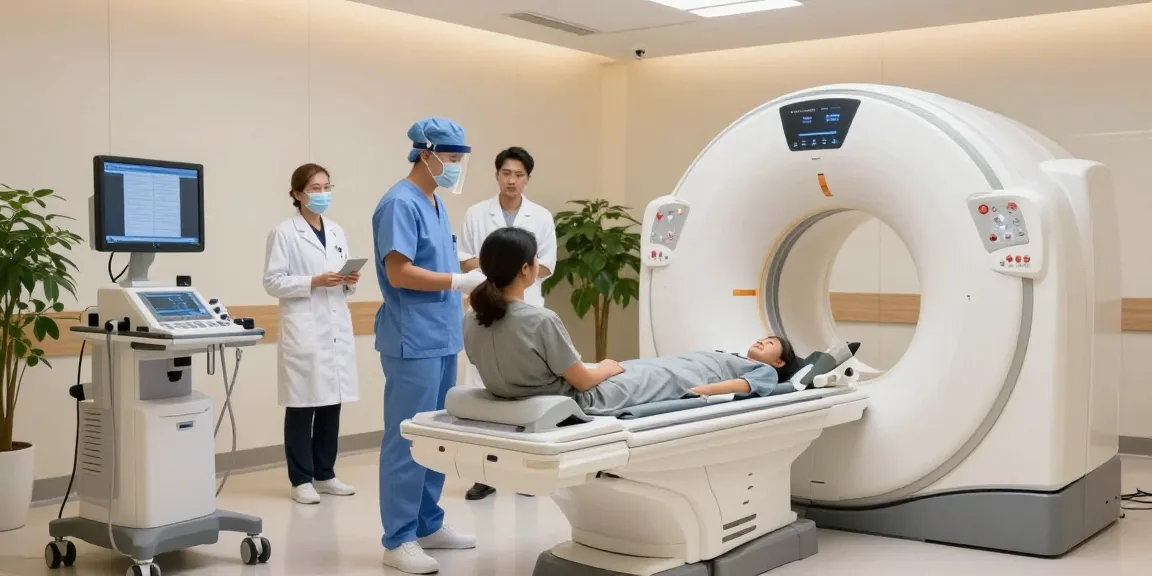
Understanding Interventional Radiology
Interventional radiology is a subspecialty of radiology that uses imaging techniques to guide minimally invasive surgical procedures. By utilizing real-time imaging technology, interventional radiologists can diagnose and treat conditions with high precision, resulting in reduced recovery times and less risk compared to traditional surgery. With a growing emphasis on non-invasive treatments, interventional radiology has become an integral part of modern medical practice, especially in regions like Abu Dhabi. When exploring options, interventional radiologist Abu Dhabi provides comprehensive insights into the procedures available and how they can benefit patients.
What is Interventional Radiology?
Interventional radiology is a medical discipline that employs imaging modalities such as ultrasound, CT scans, MRI, and fluoroscopy to perform targeted treatments. Unlike traditional surgical methods, interventional radiology aims to minimize the invasiveness of procedures, thereby offering patients faster recovery and fewer complications. Common interventions include the placement of stents, embolization, and biopsies, which can be essential in treating various medical conditions.
Key Procedures Performed by Interventional Radiologists
- Angioplasty and Stenting: This procedure involves the use of a balloon to open narrowed blood vessels and often includes placing a stent to keep the vessel open.
- Veneous Access: Interventional radiologists can place catheters for long-term medication delivery or fluid access, making treatments more convenient for patients.
- Embolization: This technique is used to block blood flow to certain areas, which can effectively treat tumors and control bleeding.
- Biopsies: Image-guided biopsies allow for accurate sampling of tissue for diagnostic purposes, reducing the need for open surgical biopsies.
The Role of Imaging in Interventional Radiology
Imaging plays a crucial role in interventional radiology, providing real-time insights that help guide procedures. Techniques such as fluoroscopy offer dynamic visibility of internal structures, while CT scans provide detailed cross-sectional images of the body. The use of these advanced imaging modalities ensures that interventional radiologists can perform procedures with a high degree of accuracy, which is vital for optimal patient outcomes.
Choosing the Right Interventional Radiologist
Finding the right interventional radiologist is essential for ensuring a successful treatment outcome. When making this decision, consider the individual’s qualifications, experience, and the rapport they build with patients. Reviewing credentials and understanding their specialization can help you identify the best fit for your medical needs.
Credentials and Experience to Look For
When selecting an interventional radiologist, it is important to review their credentials. Look for board certification in interventional radiology, which demonstrates that the physician has met rigorous training standards. Additionally, consider their experience with specific procedures related to your condition, as a specialist with a strong background in a certain area may yield better results.
Evaluating Patient Reviews and Testimonials
Patient reviews can provide valuable insight into the quality of care provided by an interventional radiologist. Online platforms and healthcare review sites often feature testimonials that reflect patient satisfaction, the effectiveness of treatments, and the overall experience. This feedback can be instrumental in making an informed choice.
The Importance of Consultation and Communication
Effective communication is key in the patient-physician relationship, especially in interventional radiology. During your initial consultation, evaluate how well the radiologist explains your condition, the proposed treatment options, and potential risks. A good interventional radiologist will encourage questions and provide clear answers, ensuring that you feel comfortable and informed before proceeding.
Common Conditions Treated by Interventional Radiologists
Interventional radiologists treat a wide range of conditions through minimally invasive techniques. Understanding the common ailments they address can help patients recognize when to seek their expertise.
Vascular Conditions and Interventions
One of the most prevalent areas where interventional radiology is applied is in the treatment of vascular conditions. This includes the management of peripheral artery disease, which occurs when blood flow to the limbs is restricted. Interventional procedures such as angioplasty and stenting can significantly improve blood circulation, alleviate pain, and enhance mobility.
Oncology: Minimally Invasive Cancer Treatments
Interventional radiologists play a vital role in oncology, particularly in the treatment of tumors. Techniques like radiofrequency ablation and cryoablation are utilized to destroy cancer cells with minimal damage to surrounding tissues. These methods not only improve the chances of survival but also reduce side effects associated with traditional cancer therapies.
Gastrointestinal and Hepatobiliary Conditions
Interventional radiology is also instrumental in treating gastrointestinal issues. Conditions such as biliary obstructions or gastrointestinal bleeding can be managed effectively through image-guided interventions. This includes the placement of drains or the embolization of bleeding vessels, allowing patients to receive critical care without the need for open surgery.
Preparing for Your Procedure
Preparation is crucial for ensuring a smooth interventional radiology procedure. Patients should be well-informed about what to expect, both before and after the intervention.
What to Expect Before the Procedure
Prior to your procedure, it is common to undergo various imaging studies to evaluate your condition thoroughly. The interventional radiologist will explain the procedure in detail, including potential risks and benefits. It is important to disclose your medical history and any medications you are currently taking, as this will influence your treatment plan.
Post-Procedure Care and Follow-Up
After the intervention, patients are typically monitored for any immediate side effects or complications. Follow-up care is essential for assessing the success of the procedure and ensuring proper recovery. Your radiologist will schedule a follow-up appointment to monitor your progress and address any concerns.
Managing Anxiety and Comfort Before Treatment
Feeling anxious before a medical procedure is natural. To help manage anxiety, communicate openly with your healthcare team about your concerns. They can provide information and support to help you feel more comfortable. Techniques such as deep breathing and visualization can also aid in relaxation before undergoing treatment.
The Future of Interventional Radiology in Abu Dhabi
The field of interventional radiology is continuously evolving, with advancements in technology and techniques that enhance treatment capabilities. As Abu Dhabi invests in healthcare innovation, the future appears promising for patients seeking state-of-the-art radiological care.
Emerging Technologies in Radiological Procedures
Technological advancements such as artificial intelligence (AI) and machine learning are transforming interventional radiology. AI can help analyze imaging data more effectively, enabling radiologists to make faster and more accurate diagnoses. Additionally, robotic-assisted procedures are being developed to enhance precision and reduce recovery times.
Trends and Innovations Shaping the Field
One significant trend is the increasing focus on outpatient procedures that allow patients to return home the same day as their intervention. This shift not only improves patient comfort but also enhances the efficiency of healthcare systems. Furthermore, telemedicine is playing an increasingly important role in pre- and post-operative care, allowing for ongoing patient support.
Impact on Patient Outcomes and Healthcare Accessibility
The innovation within interventional radiology has the potential to improve patient outcomes significantly. With more effective treatment options available, patients can expect shorter recovery times, lower risks of complications, and improved quality of life. Furthermore, the expansion of interventional radiology services across Abu Dhabi enhances healthcare accessibility, bringing world-class treatment closer to patients in need.
What types of procedures can interventional radiologists perform?
Interventional radiologists can perform a wide array of procedures, including but not limited to angioplasty, stent placement, embolization, and image-guided biopsies. Their ability to utilize imaging to guide these interventions makes them essential in treating various conditions.
How do I find the best interventional radiologist in Abu Dhabi?
To find the best interventional radiologist in Abu Dhabi, consider researching the physician's credentials, experience, and patient reviews. Referrals from primary care doctors can also be valuable. Evaluating the hospital's reputation and the specific services offered can further enhance your decision-making process.
What should I expect during my first consultation?
During your first consultation, the interventional radiologist will review your medical history, discuss your current condition, and explain potential treatment options. This is an excellent opportunity for you to ask questions and clarify any doubts you may have about the procedures.
What are the risks associated with interventional radiology procedures?
While interventional radiology procedures are minimally invasive, they are not without risks. Potential complications may include bleeding, infection, or allergic reactions to contrast materials. The likelihood of these risks varies depending on the specific procedure and the patient’s overall health.
How can interventional radiology improve patient outcomes?
Interventional radiology can enhance patient outcomes significantly by providing less invasive treatment options that reduce hospital stays and recovery times. Additionally, these interventions often result in decreased pain and complications when compared to traditional surgical methods, ultimately leading to improved quality of life for patients.